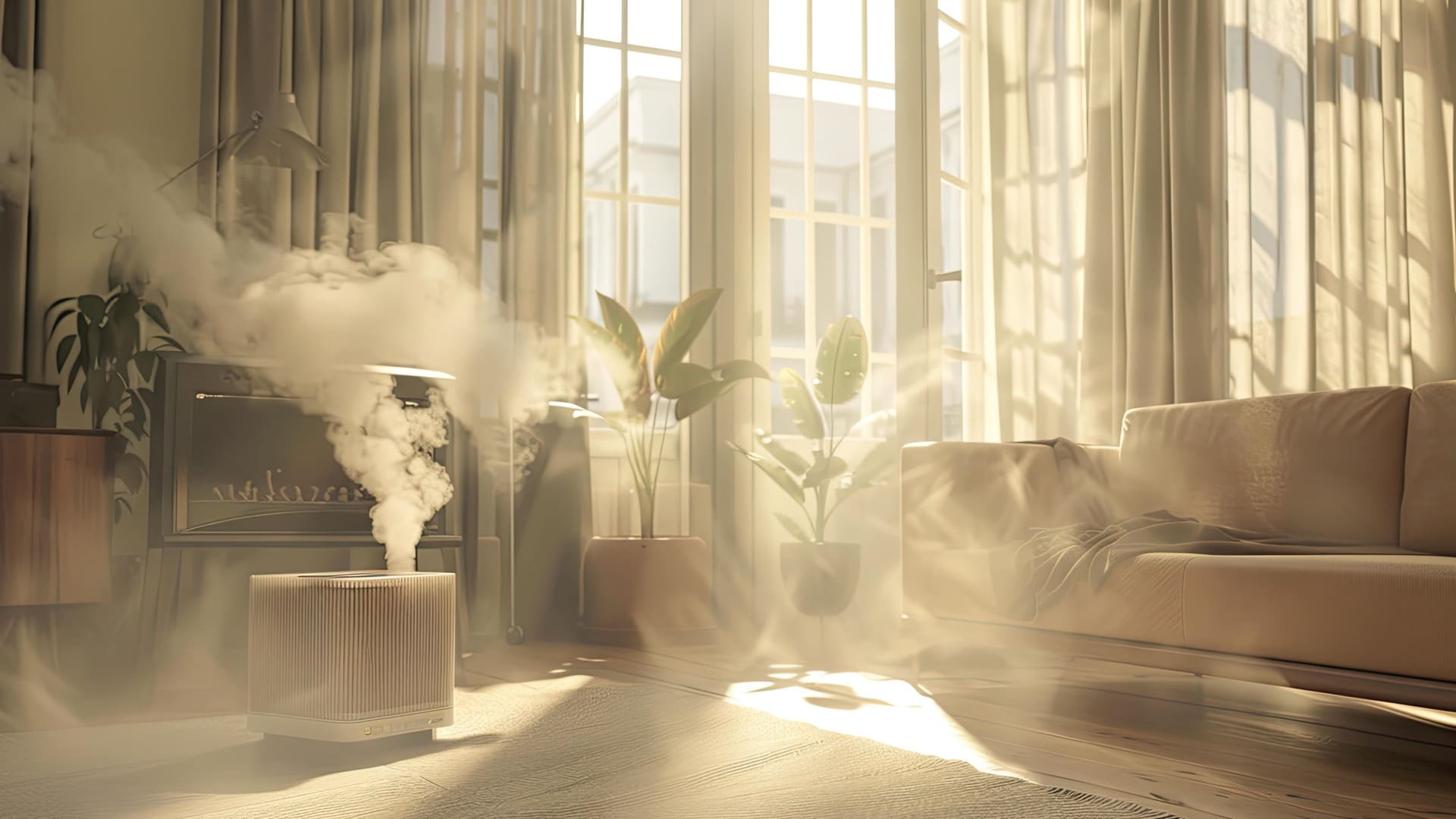
During colder months, you’re probably going to want to light the fire, close the windows and keep cosy. And, when loadshedding hits, flick on the generator and continue to ‘Netflix and chill’. But, if you want to stay healthy this winter, this is exactly what you shouldn’t be doing – unless you’ve invested in an air purifier, says Trevor Brewer, founding director of Solenco UK. That’s because indoor air pollution in winter can become a problem.
Is air pollution indoors worse in winter?
According to a 2023 paper in Environment International, us humans spend, on average, 80-90% of our time indoors, and much of that is at home. In winter, that number gets way higher, especially during cold fronts.
According to scientific research, indoor pollution can do more than make you feel stuffy. In the short term, pollutants impact the lungs and nervous system, while over time, pollution affects the heart, hormonal systems and can even cause cancer.
Per the WHO, household air pollution was responsible for an estimated 3.2 million deaths per year in 2020, including over 237 000 deaths of children under the age of five. Cooking with gas or using paraffin because of loadshedding? Watch out: the WHO warns that unvented gas stoves and kerosene burners generate highly harmful levels of household toxins.
Why is South Africa’s indoor air pollution so bad?
In South Africa, the particulate matter (read: pollution) in our air is regularly higher than the national standards. Around 86% of South Africa’s primary energy supply is from coal, and much of the particulate matter that we breathe in is caused by the process of generating coal-fired electricity, says Brewer.
And indoor pollution can get bad. “Pollutants are microscopic particles of toxic chemicals that are small enough to enter the bloodstream. Because they’re so small, you can be sure they’re being carried into your home. In fact, the concentration of pollutants and toxins found in the air can actually be two to five times higher indoors than out,” says Brewer.
READ MORE: Here Are The Best Sound Types For Falling (And Staying!) Asleep, According To Doctors
7 Tips To Reduce Indoor Air Pollution
Try ‘house burping’
Keeping the windows closed may help to keep cold air out, but it also keeps polluted air in. Dust, fumes from household chemicals, emissions from appliances, bacteria and germs, pet dander, damp and mould are all at home in your house when there’s no fresh air circulating. And with them come all the winter ailments.
Your move: To combat unhealthy air indoors, try the viral German practice house burping, which “shocks” the indoor air by creating strong cross-drafts. How? Super simple: put on your warmest clothes and throw open every door and window for five to 10 minutes. Try it at night or mid-day, when outdoor pollution is likely at its lowest.
Use an air purifier
You could stock up on medicine to deal with the symptoms that come with seasonal changes, says Brewer, but he suggests that you rather prevent these adverse effects by investing in an air purifier for your home or office. Look for one equipped with a True HEPA filter. These filters excel at trapping ultra-fine particles, including dangerous PM2.5 matter that otherwise seeps deep into your lungs.
Solenco Purification Pal

This gadget keeps the air in your home clean by forcing air through an ultra-fine mesh that traps pollutants.
Dyson Purifier Hot+Cool HP2 De-NOx
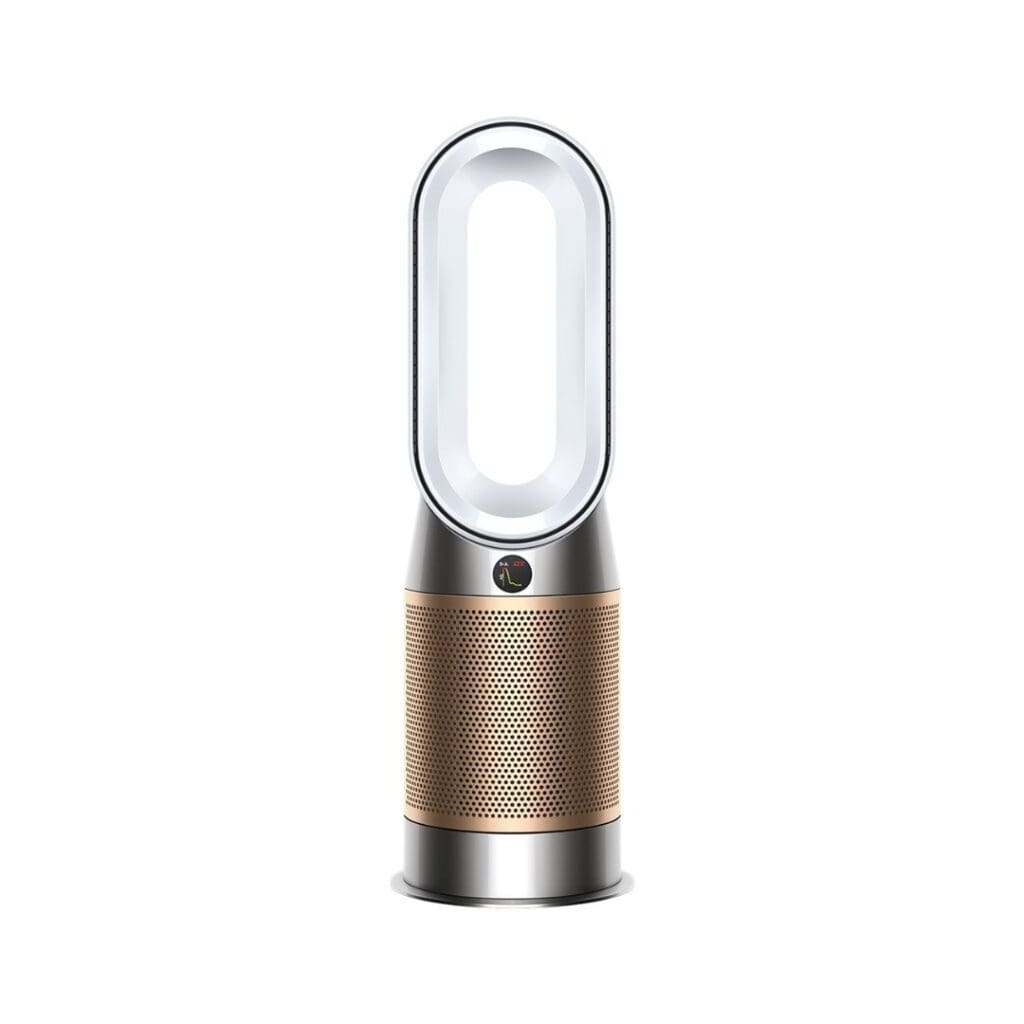
This advanced air purification automatically captures 50% more nitrogen oxide, purifies and heats the whole room evenly.
Xiaomi Smart Pet Care Air Purifier
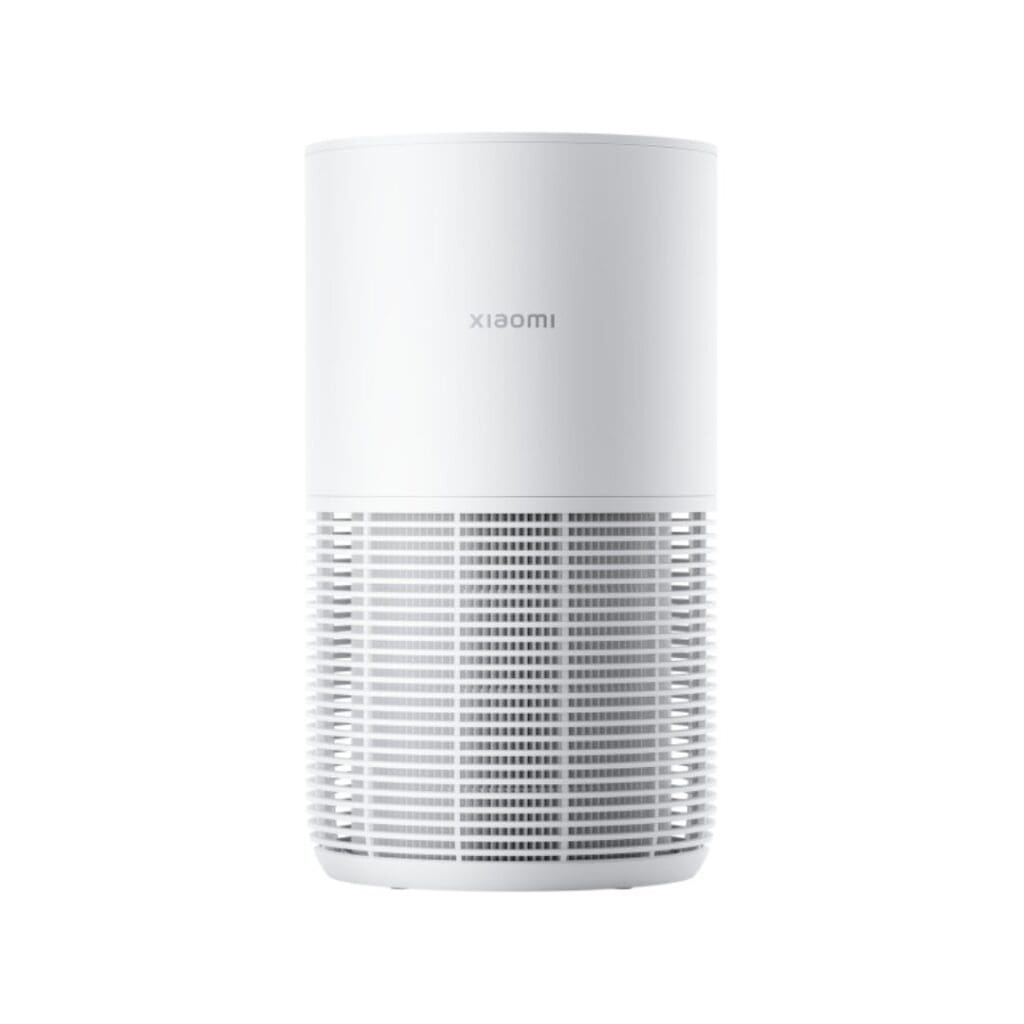
Designed for pet owners, this three-layer filtration system catches dander, dust and allergens.
READ MORE: Is There A Way To Really Outsmart Your Flu? Experts Weigh In
Ditch these secret indoor polluters
Chemicals in your home may seem benign – after all, you likely brought it inside – but some seemingly innocent products contain harmful chemicals. These can be obvious, like asbestos, coal dust or regular dust. But other sources, like cigarette and vape smoke, or from hookah, contain serious harmful chemicals.
Cigarettes, vapes & hookah
Cigarette smoke alone gives off toxic gases carbon monoxide, cyanide, formaldehyde, ammonia, lead and cadmium. Vape smoke, while void of combustion, still gives off heavy metals from the heat reaction. Hookah contains heavy metals, tar and other toxic fumes. According to the American Lung Association, it exposes people to nine times more carbon monoxide than a single cigarette. Take it outside.
The fireplace
Used for cooking or to keep warm, fires need tons of ventilation, even if that means letting the icy air in as you roast marshmallows. A Stellenbosch University study found that South African fireplaces release harmful particles that enter the bloodstream, and that the researchers detected concentrations much higher than the recommended limit – even long after the fire had gone out.
Your move: Before lighting, make sure the chimney is fully open so the majority of smoke exits stage up. Keep the windows open – and pair with an air purifier.
READ MORE: Is Sunscreen Toxic? Experts – And Science – Weigh In On Viral Claims
Gas stoves or heaters
According to peer-reviewed research from RMI, the University of Sydney, and the Albert Einstein College of Medicine, 13% of childhood asthma cases in the US could be attributed to having a gas stove in the home. Scary stuff. The cosy gas heater gives off nitrogen dioxide, carbon monoxide, and even benzene, a known carcinogen. Using the extractor fan only helps minimally, researchers say.
Your move: If you’re devoted to it, keep the windows open while using.
Mould
The South African Guideline for the Management of Domestic Indoor Quality, released by the Department of Health, outlines mould as a major contributor to unhealthy indoor air. The Guideline notes “exposure to moulds can induce respiratory illness in adults and cause early onset of asthma and allergies in children. Inhaling or touching mould or mould spores can cause allergic reactions such as irritation of the skin, eyes, nose, throat and lungs.”
Your move: Mostly caused by inadequate ventilation in humid areas like the bathroom, dampness creates prime conditions for mould. Invest in dehumidifiers for these areas and, per the Guideline, clean damp areas within 24 hours to prevent mould growth.
Crystal Aire 2-in-1
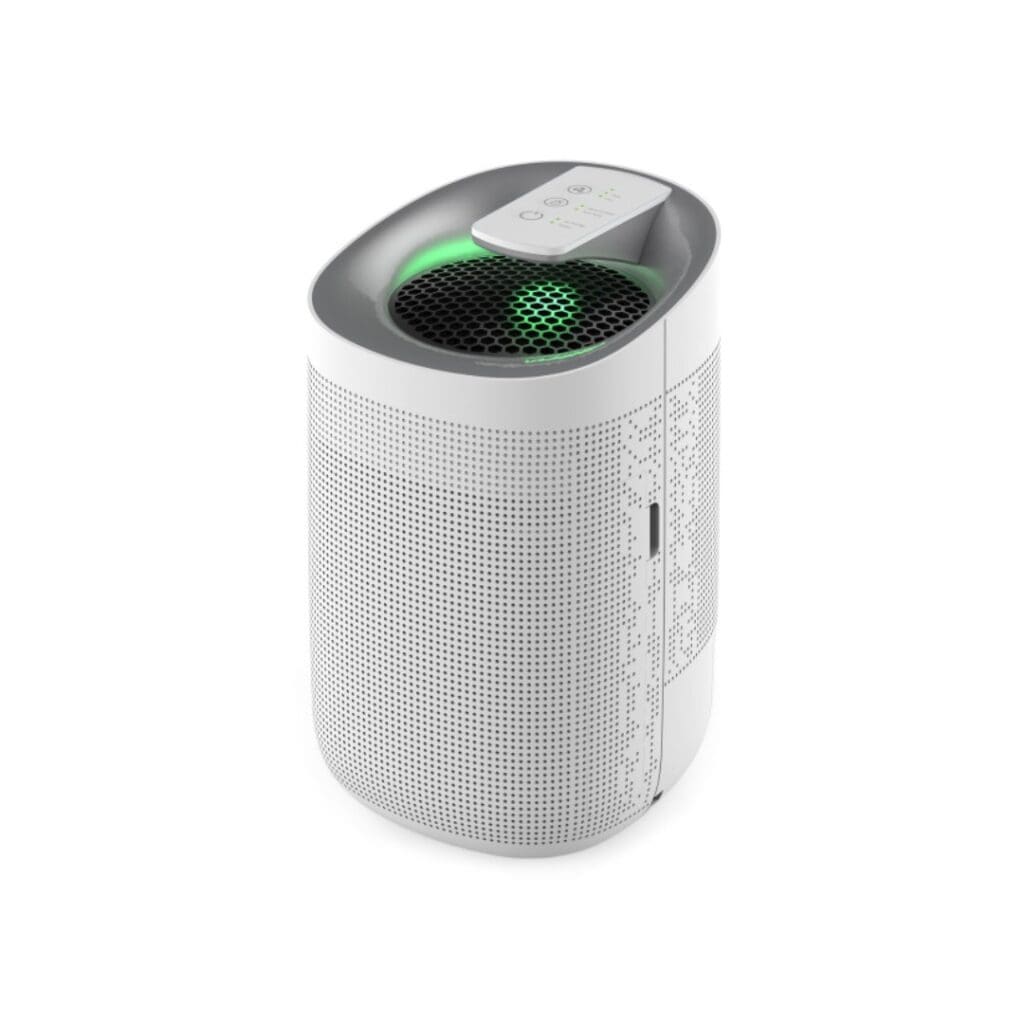
This compact dehumidifier and HEPA air purifier works hard for cleaner air and is energy-efficient and quiet.
MeacoDry Arete® Two 20L Dual Dehumidifier and HEPA Air Purifier
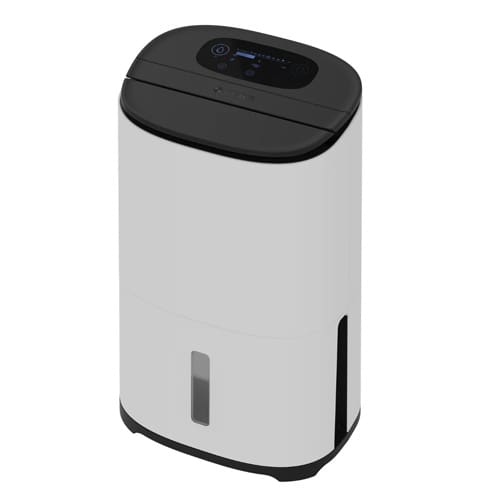
This 2-in-1 dehumidifier and air purifier works year-round to combat excess moisture and improve indoor air quality. It’s especially handy in winter when condensation, dampness and mould become unwelcome house guests.
Heartdeco Household Dehumidifier
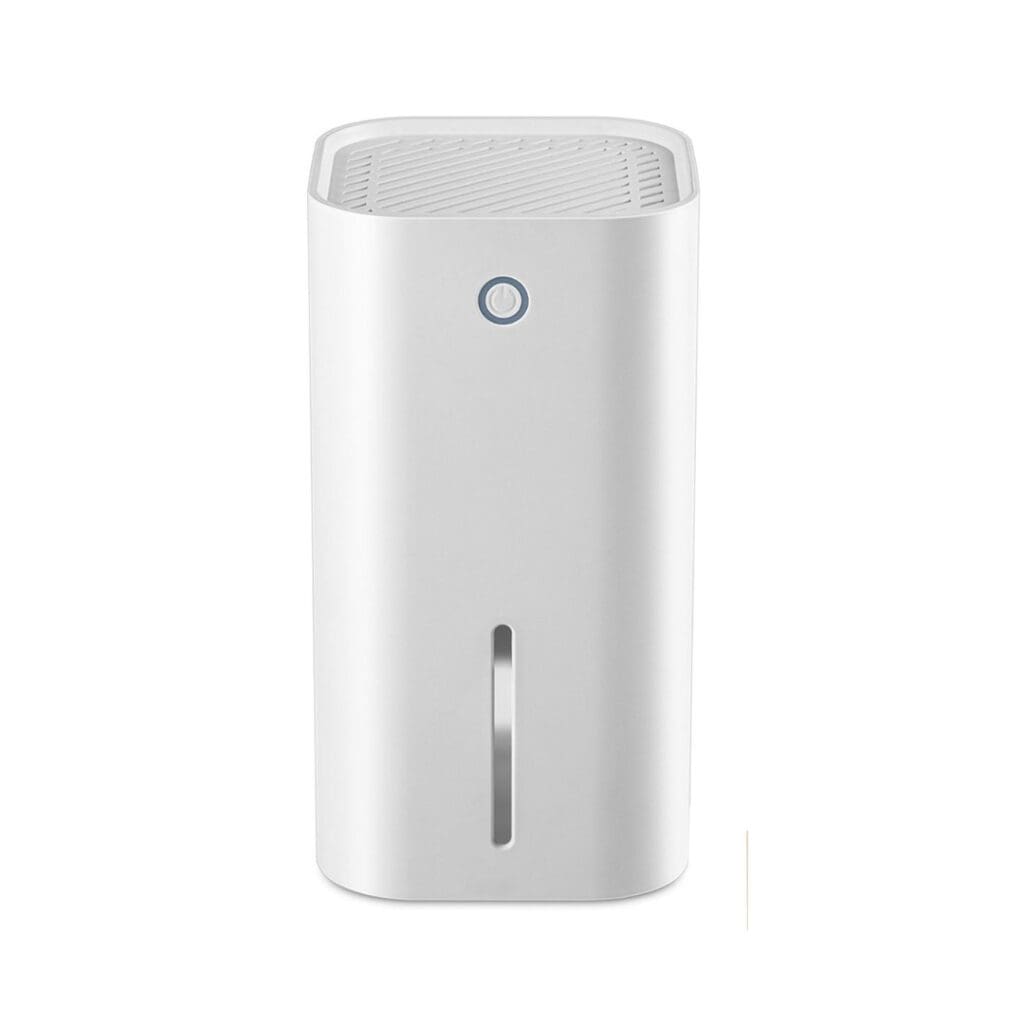
Portable and silent, this machine collects up to 300ml daily of moisture.
Invest in air-purifying plants
Some houseplants can diffuse toxic chemicals in the air, like formaldehyde, benzene and trichloroethylene. It’s essential to still clean your plants, since the leaves can collect dust, leading to allergies. These plants can naturally remove toxins and improve air quality:
Peace Lily
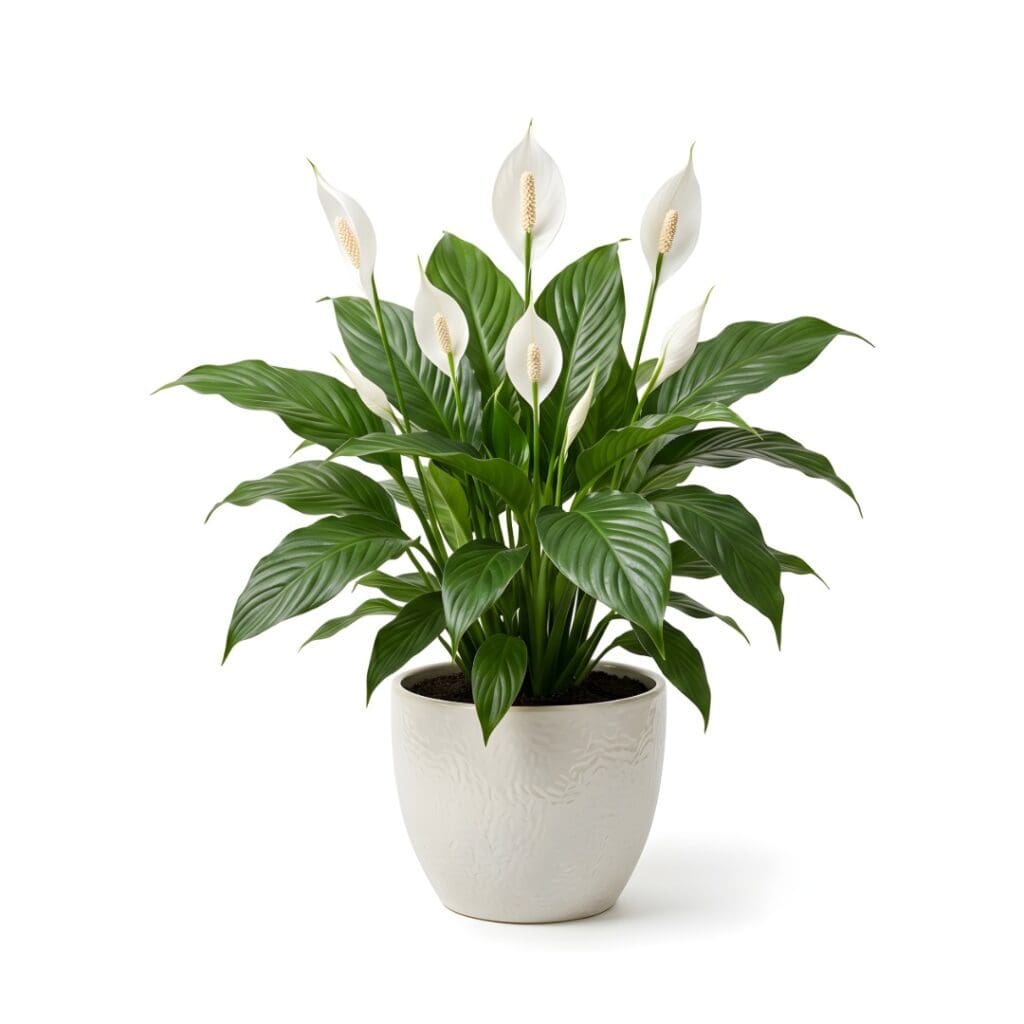
Peace lilies absorb airborne volatile organic compounds (VOCs) such as formaldehyde and benzene. Place in low, indirect light.
Spider Plant
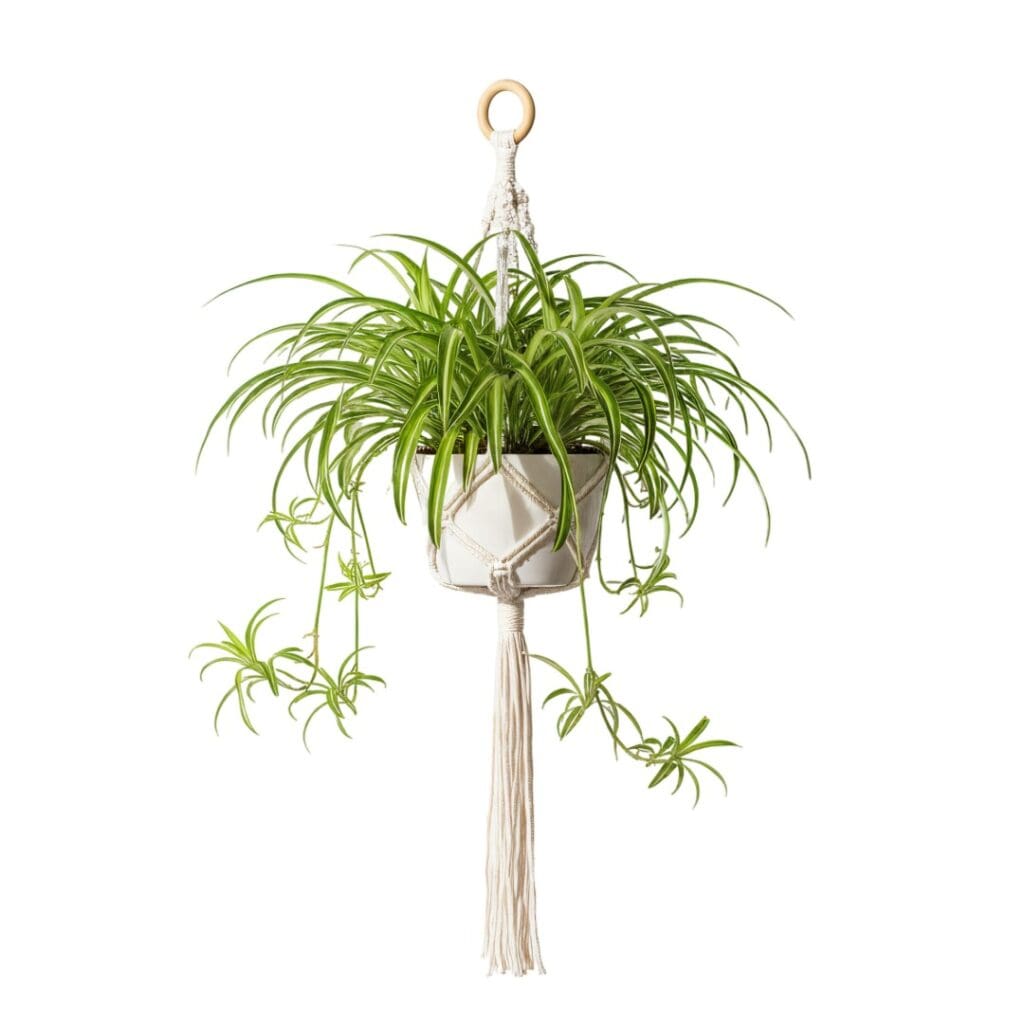
This pet-friendly plant absorbs harmful compounds with great efficiency. Grow in bright indirect light.
Snake Plant
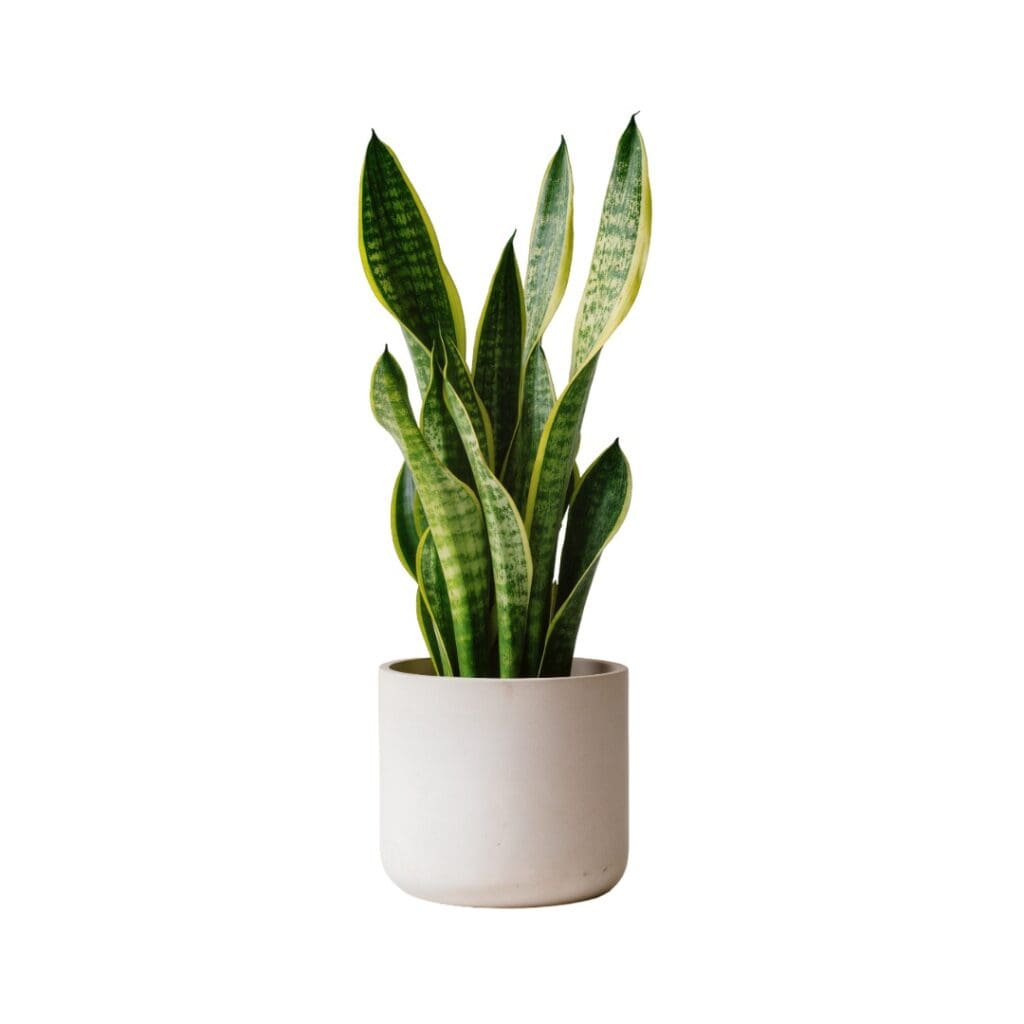
These absorb nasties and release oxygen at night. They’re difficult to destroy and thrive in dark or indirect sunlight.
Humidify your air
The dryness of winter air can constitute a health hazard, especially in cooler months. If your problem is the opposite of mould, dry air spells trouble for people with respiratory or lung issues, cold and dry air narrows airways and makes it harder to breathe. Even if you’re healthy, dry air can cause pain, inflammation and headaches, asthma, allergies and hay fever, itchy, uncomfortable skin, and nosebleeds. What works? A humidifier, which can refresh the air by injecting purified water into your surroundings.
Xiaomi Smart Scent Diffuser
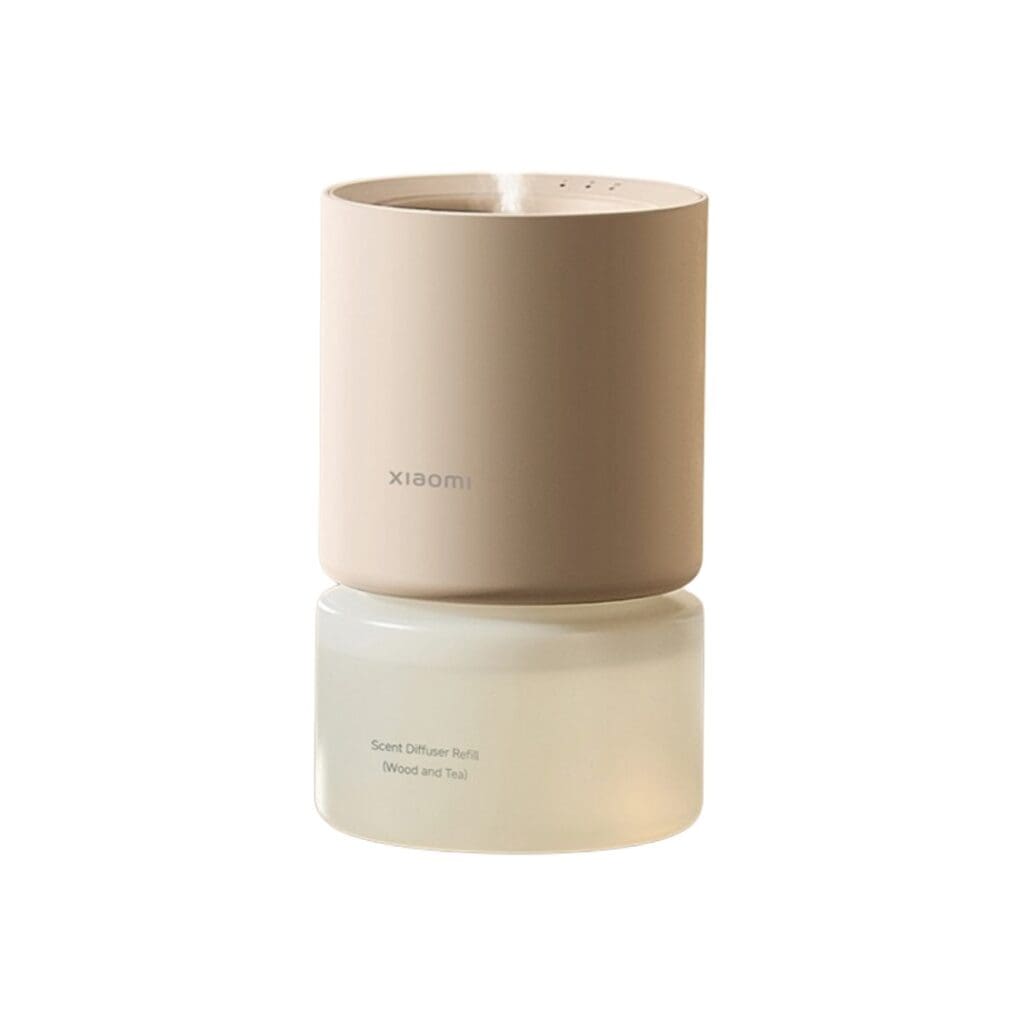
This statement piece emits a calming stream of fragrant mist. Comes with 15 settings and 16 million (yes, million) colours to choose from.
Moucles Room Air Humidifier
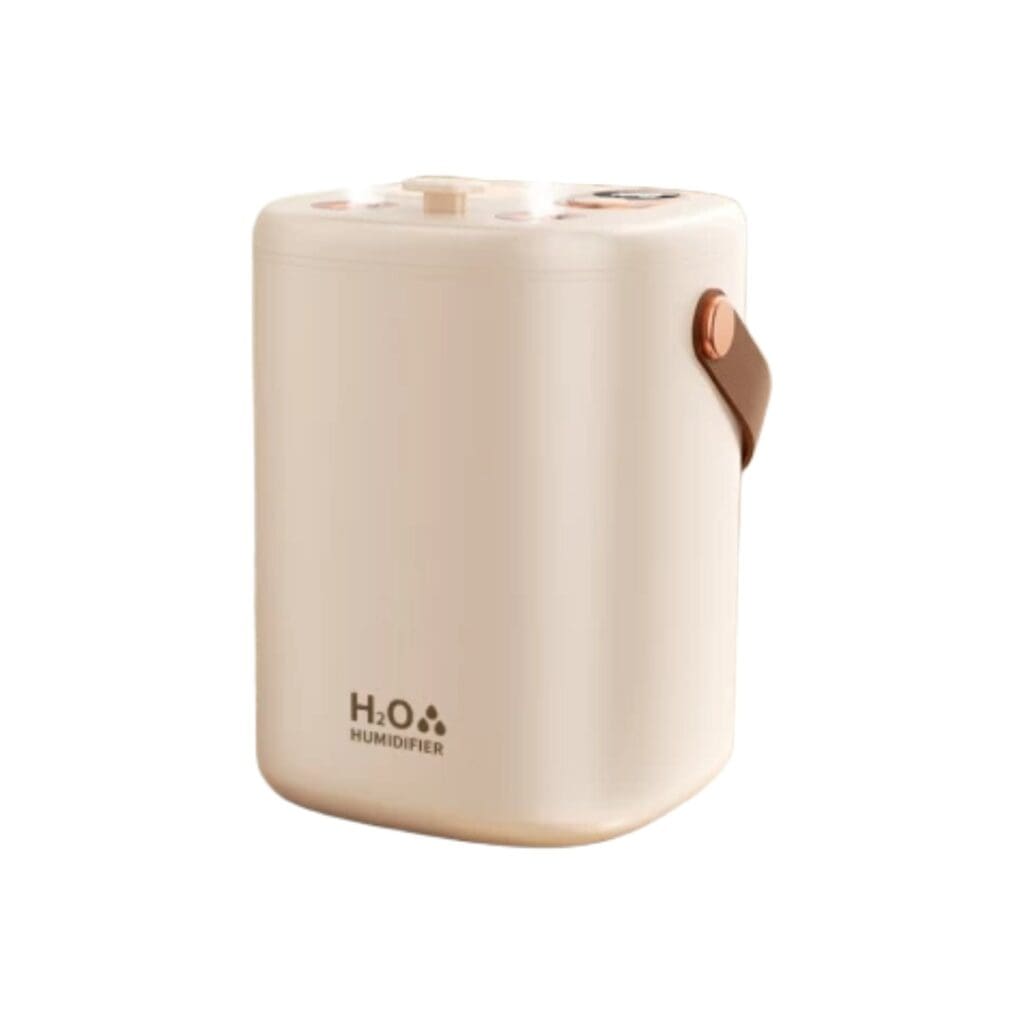
This ultrasonic device adds moisture to relieve dry skin and congestion. It also has a built-in night light and big 1.2L capacity.
Black & Decker Digital Humidifier
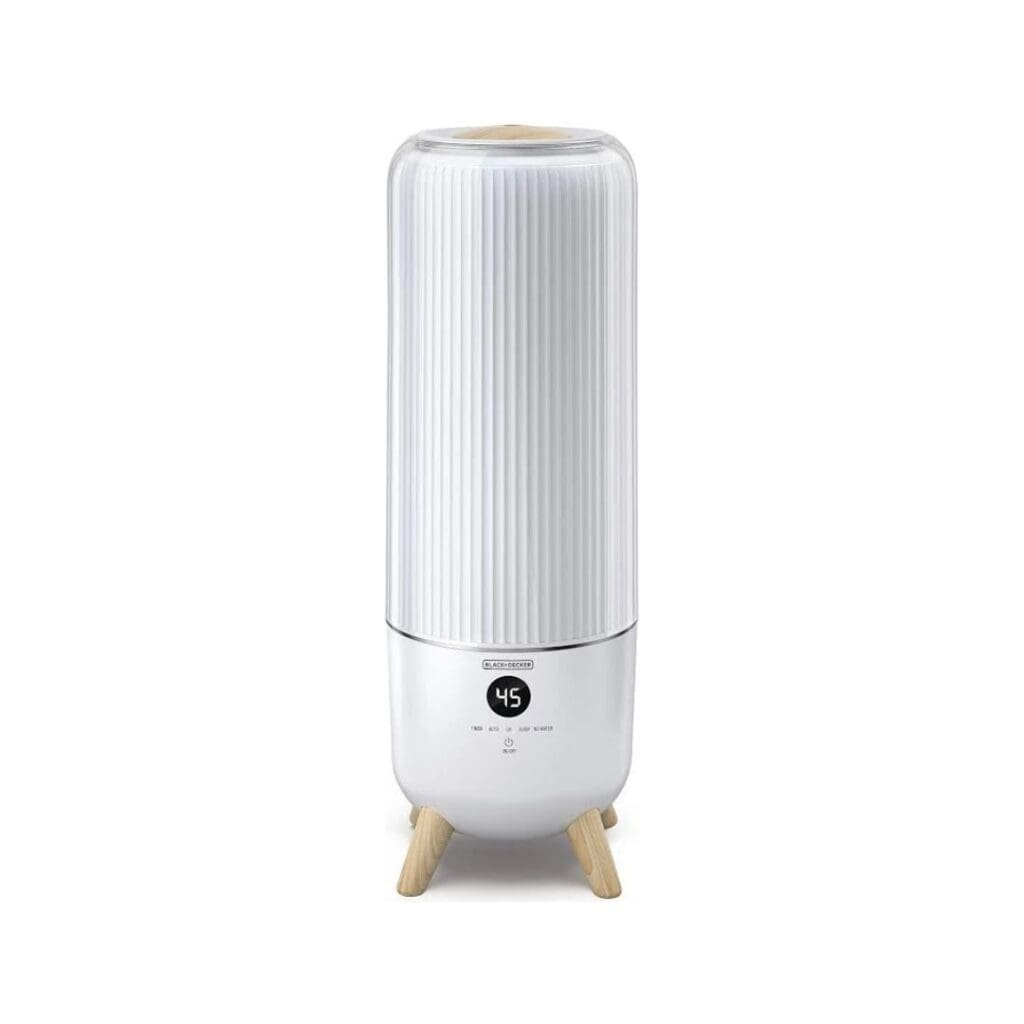
For larger spaces, this 6L machine has a filter to remove impurities and emits clean mist.
Women’s Health participates in various affiliate marketing programmes, which means we may get paid commissions on editorially chosen products purchased through our links to retailer sites.